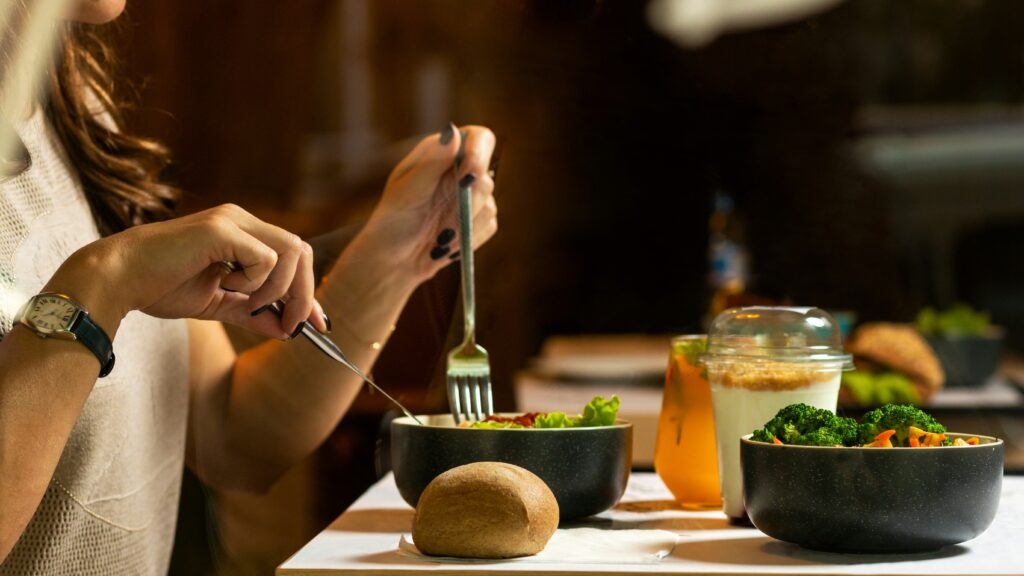


As joyful as food can be, dinner often feels like a chore. There’s planning, shopping, cooking, all while trying to stay within a budget, avoid food waste, save time, and eat well.
Now throw diabetes into the mix… and suddenly it can feel very overwhelming.
Let’s bring some joy back to eating (and convenience!) with 7 diabetes-friendly dinners.
How to Build a Blood Sugar–Friendly Plate
Before we introduce dinner ideas, let’s start with a general framework: the Diabetes Plate Method. The Plate Method is the American Diabetes Association–recommended approach to building balanced meals.
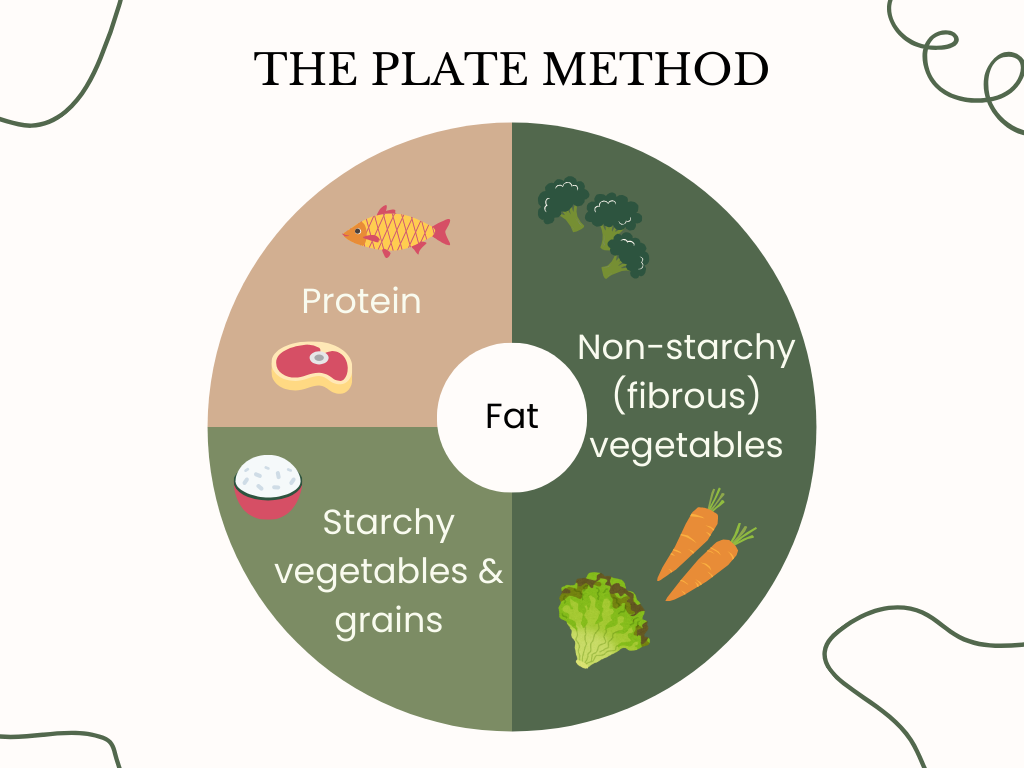
Using a 9-inch plate (about the width of a piece of printer paper):
- ½ of the plate: non-starchy vegetables
- ¼ of the plate: lean protein, with an emphasis on plant-based proteins like legumes, and minimal red or processed meats
- ¼ of the plate: complex carbohydrates
And don’t forget a source of fat, like nuts, seeds, olive oil, or fatty fish. Fats help with satiety, blood sugar stability, and (importantly!) flavor.
The Plate Method beautifully aligns with the Mediterranean diet. A dietitian can help tailor the Plate Method to follow the Mediterranean diet to support blood sugar balance and heart health. In people with type 2 diabetes, following a Mediterranean diet was associated with a 29% reduction in heart disease over 4.8 years.
Newsflash: You can still eat carbs
Diabetes doesn’t mean carbs are off-limits. Just ask yourself…
Dietitian Driven’s Three Carb Questions:
- What type of carbohydrate is it? → Simple or complex?
- What am I pairing it with? → Is it a “naked” carbohydrate on its own, or is it paired with protein, fat, and fiber?
- How much of the carbohydrate am I eating? → At meals, carbohydrate portions are generally about a fist-size serving.
The Plate Method includes carbohydrates by design.
7 Diabetes-Friendly Dinner Ideas Under 30 Minutes
And yes, we actually mean 30 minutes. None of that “30-minute recipe” nonsense that’s somehow 2 hours in and still not edible.
1. Sheet Pan Meals
Sheet pan dinners are practically built around the Diabetes Plate Method: protein + vegetables + carbohydrates, all in one place.
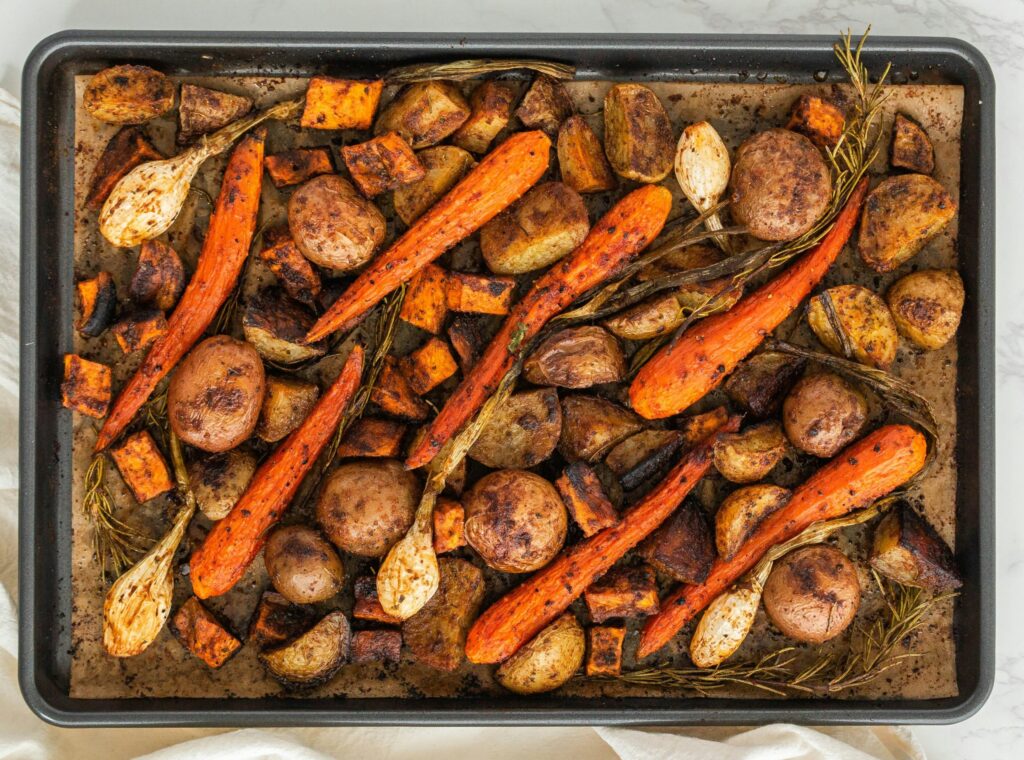
➡️ Rule of thumb: fill ¼ the pan with protein, ½ the pan with vegetables, and ¼ with carbohydrates.
A common question we get is “How do I manage different cooking times?” This handy NYT article breaks down cooking times for vegetables and proteins so everything finishes together.
Here is some inspiration (400 °F, ~30–45 min):
- Chicken thighs, broccoli florets (medium), carrots (½-inch diagonal)
- Salmon fillets, cauliflower florets (medium), baby potatoes (quartered)
- Turkey sausage links, bell peppers (thick strips), red potatoes (¾-inch chunks)
- Extra-firm tofu (pressed, 1-inch cubes), Brussels sprouts (halved), sweet potato (¾-inch cubes)
- Pork tenderloin (1½-inch slices), green beans (trimmed), fingerling potatoes (halved lengthwise)
- Shrimp (large), zucchini (thick half-moons), corn rounds (½–¾-inch thick)
Dietitian hack:
Lean on frozen vegetables and proteins. The nutrient quality is comparable, the cost is often better, and the time savings are huge.
You can even prep and freeze your own veggies (here’s a guide on how to freeze almost any vegetable!).
2. Stir Fry
Fast, flexible, and customizable!
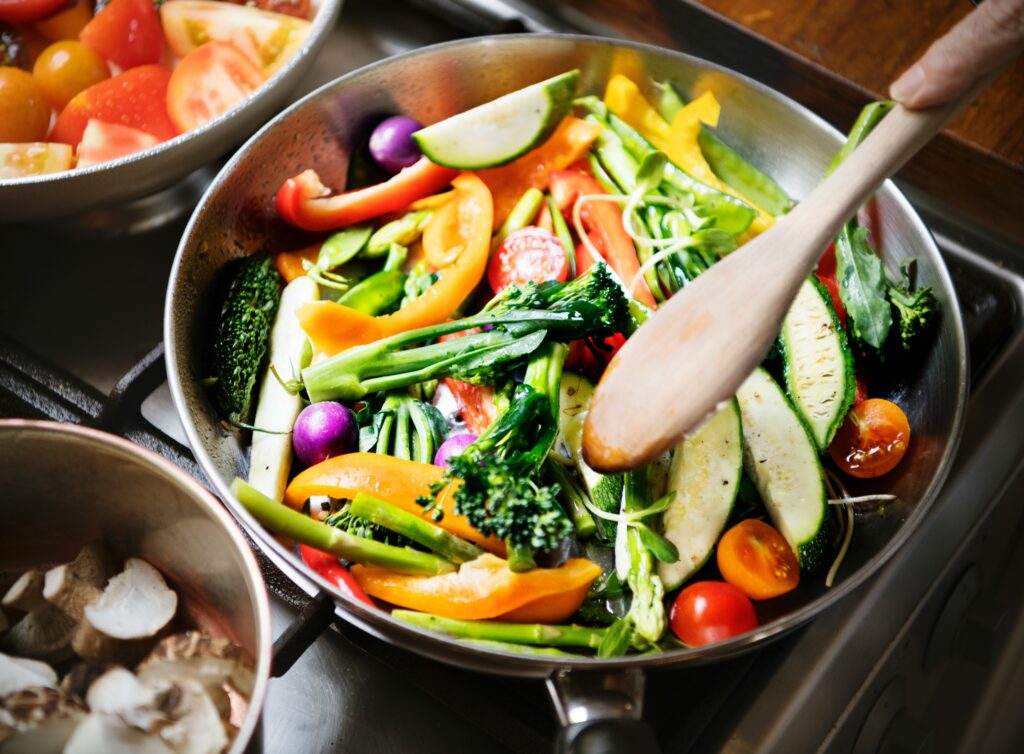
- Protein: Add tofu, shrimp, lean beef, chicken, or edamame
- Vegetables: Use frozen stir-fry vegetable mixes (Costco has great options!), pre-cut stir fry blends, or toss in whatever vegetables are sitting around in your fridge
- Carbohydrates: Grab pre-cooked brown rice or quinoa cups
Toss it all in a hot pan and add some flavor (we love Primal Kitchen for no-added sugar condiments).
Dinner is done before you can talk yourself into ordering takeout.
3. Dump-and-Bake Meals
Also known as casseroles, and truly underrated.
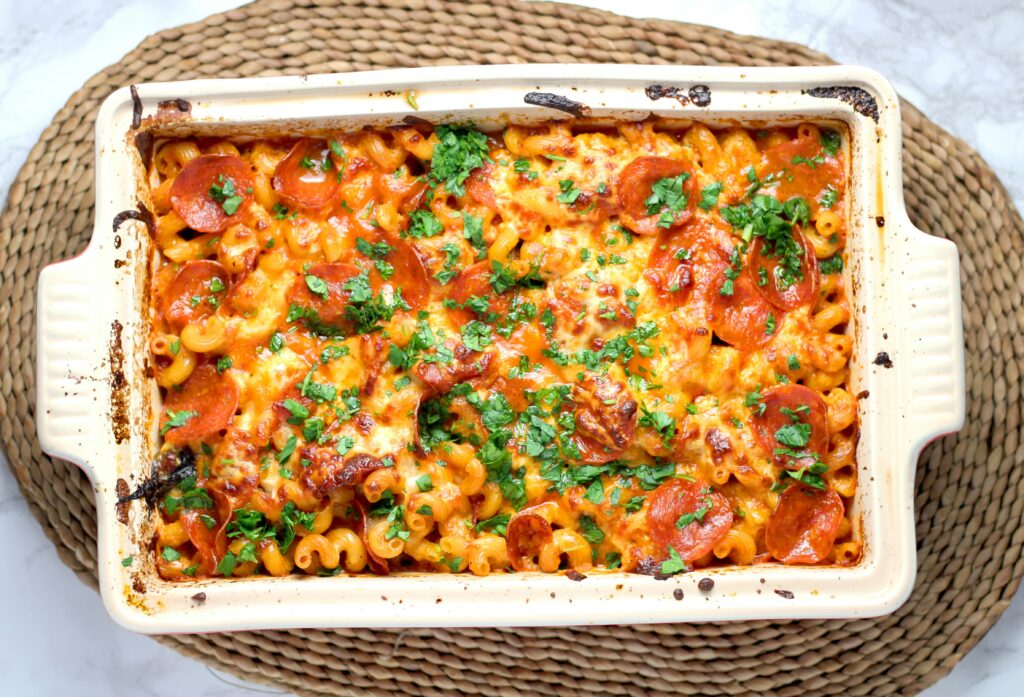
The best part? You can set it, forget it, and freeze it. Most casseroles keep well in the freezer for 3–4 months, making future you very grateful.
Try these:
4. Tortilla Pizza
For the nights when cooking feels like too much.
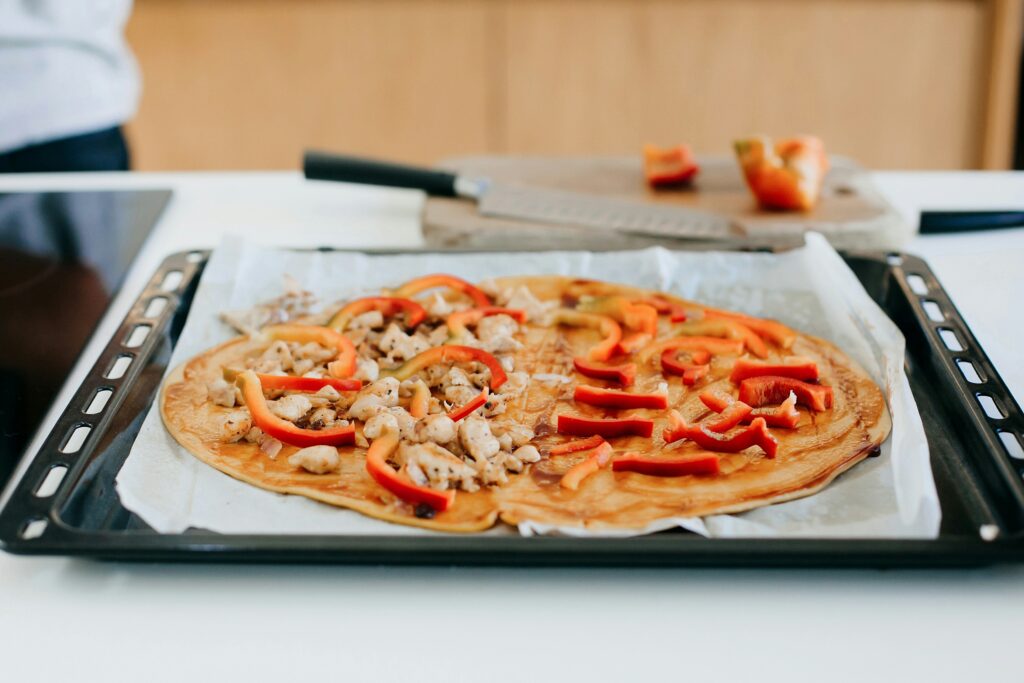
- Preheat oven broiler to high or oven to 375°F (190°C).
- Heat 1 tsp olive oil in an oven-safe skillet and crisp a low-carb or whole-grain tortilla for 2–3 minutes per side.
- Add a layer of pizza sauce (check for no added sugars, like Prego or Barilla), part-skim mozzarella, and toppings (turkey, veggies, canned mushrooms, peppers).
- Broil for 2–3 minutes until bubbly.
- Serve with a side salad (try a bagged salad kit!) to boost fiber.
Flavor inspiration:
- Buffalo chicken with cauliflower
- BBQ pork with pineapple (we know, controversial!)
- Turkey sausage with roasted peppers and onions
- Chicken with feta and spinach
- Turkey bacon with apple and sharp cheddar
Tortilla tips:
- “Whole grain” and “multigrain” can be misleading; look for 100% whole wheat
- Corn tortillas are also a great option to boost fiber
- Siete makes almond-flour and chickpea-flour tortillas
- Be cautious with “zero-carb” tortillas; many contain hydrogenated oils that increase saturated fat
5. Avocado Chickpea Tuna Salad
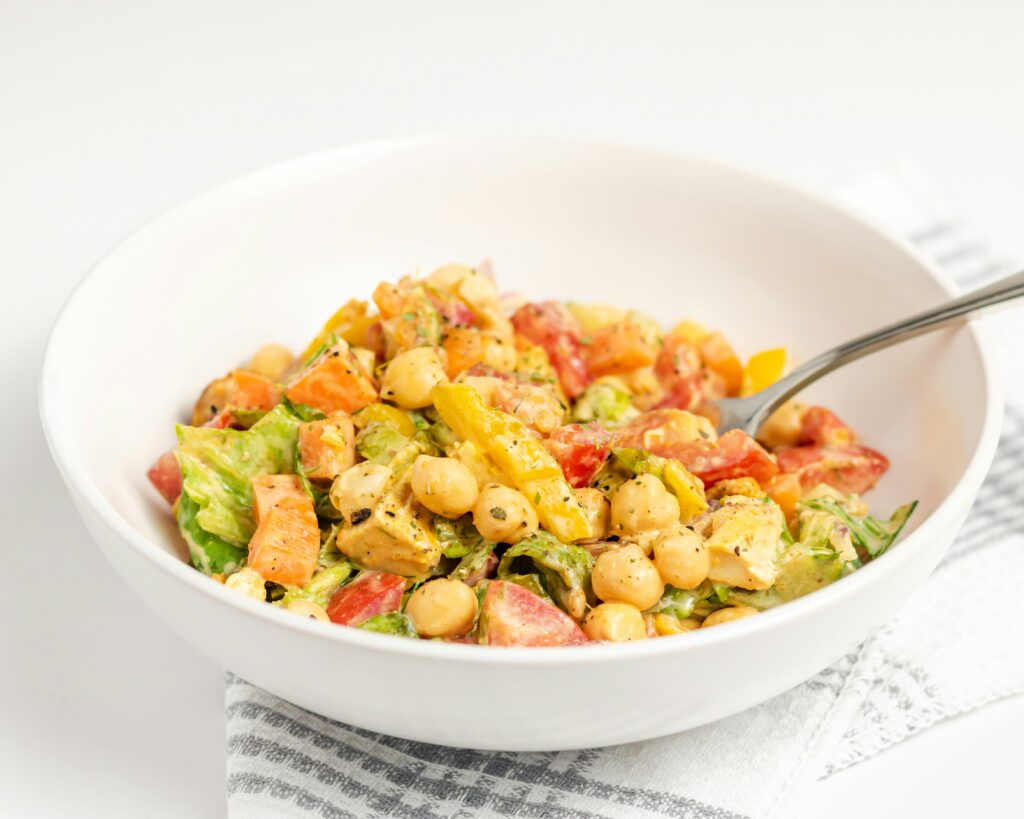
A true no-cook meal.
We like Safe Catch tuna for lower mercury levels. Not into seafood? Swap in chicken. Not into meat? Skip it and double the chickpeas.
Creamy, filling, and blood-sugar friendly.
6. Chili
Chili is diabetes-friendly thanks to its protein and fiber.
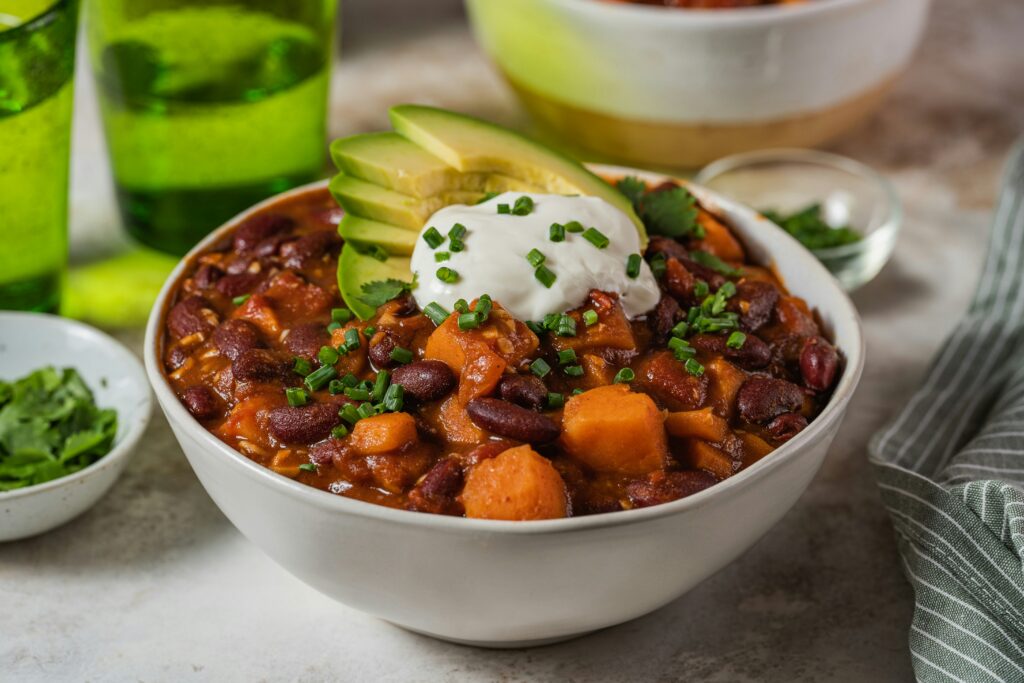
Boost it even more by:
- Adding lentils
- Loading up on vegetables (zucchini, peppers, carrots, celery, mushrooms)
- Stirring in finely chopped greens
Top with avocado and… voilà.
7. Fajitas
Skip the tortilla and turn fajitas into a nourishing bowl.
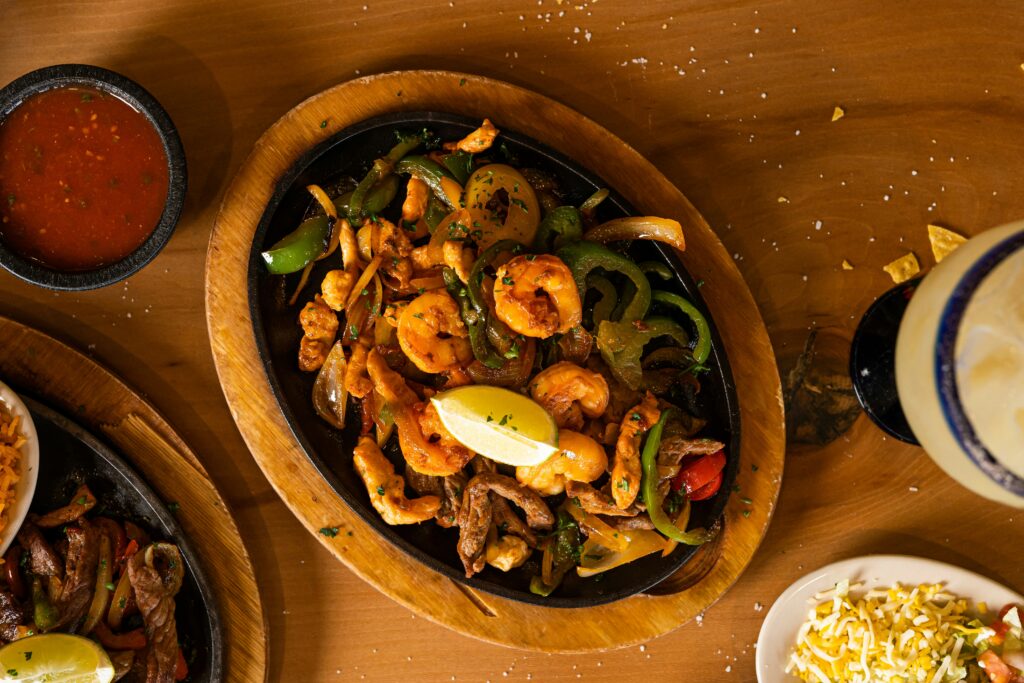
- Start with brown rice (¼–½ cup) for steady, slow-digesting carbs
- Add black beans (¼–½ cup) for fiber and blood sugar support
- Load up on vegetables like bell peppers, onions, zucchini, and mushrooms
- Choose a lean protein such as chicken, shrimp, lean beef, or tofu
- Finish with healthy fats like sliced avocado, guacamole, or olive oil
- Season generously with fajita spice – we love Little’s Cuisine
Load up on veggies and protein, and keep starch portions consistent.
Sponsored: Dietitian Driven was paid to include Hungryroot in this article.
A meal structure built around fiber, protein, and thoughtful carb pairing only works if the kitchen is stocked to support it week after week. Hungryroot is a grocery delivery service that pairs personalized groceries with quick recipes, starting with a short quiz on tastes, dietary needs, and who’s eating, so the weekly delivery reflects real preferences instead of a generic template.
SmartCart, Hungryroot’s personalized recommendation system, learns from what you rate and reorder, and gets smarter each week. Customers can filter around goals like Less Sugar, High Protein, Gut-Friendly, Gluten-Free, and Dairy-Free, swap ingredients, add supplements, and set a budget the service holds to. Recipes are chef-crafted and typically quick to prepare, which lowers the friction of eating balanced meals on a busy weekday.
That matters most between dietitian visits, when a plan lives or dies by what’s actually in the fridge. Skipping a week, pausing, or canceling takes one click, so the delivery bends around treatment timelines, GLP-1 appetite changes, and travel instead of adding another rigid layer to manage.
The Big Picture
There you have it: 7 diabetes-friendly dinner ideas that support steady blood sugars and preserve the pleasure of eating.
We’re big believers that eating well shouldn’t feel like another chore on your to-do list.
If you like what you’re seeing, we’d love to work with you one-on-one. Our practice is growing, and we’ve just welcomed a wonderful new team member who specializes entirely in diabetes management.